Advanced Marine Salvage Services for Damaged Vessel Recovery
Marine salvage is not just recovery—it is a controlled operation that demands technical awareness, timing, and the ability to respond to unpredictable conditions. At Deadrise Boat Salvage, we approach salvage with a focus on precision, ensuring each vessel is stabilized, recovered, and managed using structured methods. Whether dealing with damaged hulls, grounded vessels, or partially submerged structures, every situation is evaluated carefully to determine the safest and most effective recovery approach. Our work prioritizes safety, environmental protection, and long-term resolution.
We operate throughout Manahawkin, New Jersey , and extend services to Stafford Township, Barnegat, Tuckerton, and Little Egg Harbor. Coastal conditions across Ocean County create unique salvage challenges, from shifting tides and shallow waterways to storm-related debris and sediment buildup. These regional factors influence how each recovery must be planned and executed. By working within these conditions, we ensure salvage operations are both efficient and aligned with environmental and structural considerations specific to the area.
With over 20
years of experience, our process combines technical expertise with practical execution. Each salvage project is structured to manage weight distribution, vessel integrity, and site conditions while minimizing disruption. From initial assessment through recovery and final removal, every phase is handled with clear planning and disciplined execution, ensuring consistent and dependable outcomes. When timing matters and precision is critical, reach out now to get your vessel assessed and recovered with a plan you can rely on.
Our Marine Salvage Services
Sunken Vessel Recovery Operations
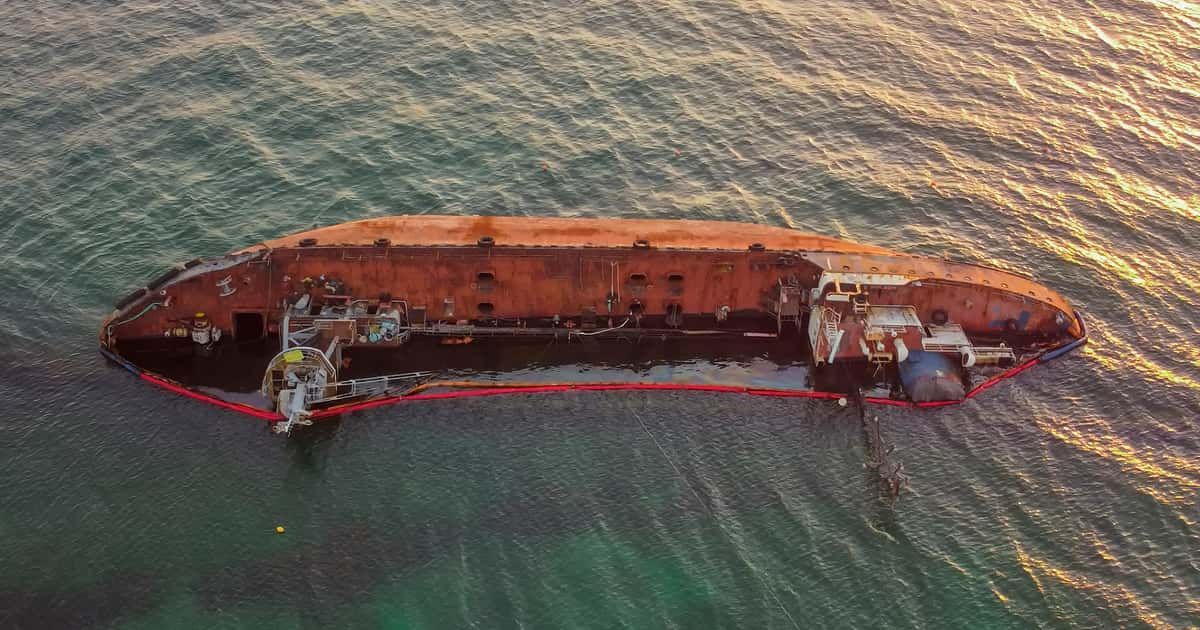
We perform controlled recovery of fully or partially submerged vessels using specialized lifting and stabilization techniques. Each operation is carefully planned to ensure safe extraction while preventing environmental damage and maintaining structural control throughout the recovery process from initial assessment to final removal.
Grounded and Stranded Vessel Salvage
Grounded vessels require precise handling to prevent further hull damage and site disruption. We assess conditions, stabilize the vessel, and execute recovery using structured methods that ensure safe refloating or removal while protecting surrounding waterways and minimizing impact on the environment.
Storm-Damaged Vessel Recovery
Severe weather can leave vessels damaged, displaced, or partially submerged. We manage recovery operations that stabilize, patch, and refloat affected boats when possible, ensuring safe handling while restoring order and addressing structural damage caused by storms and changing coastal conditions.
Wreck Removal and Debris Extraction
Damaged vessels and fragmented debris can create hazards in waterways and properties. We remove wreckage using controlled extraction methods that ensure all materials are safely handled, preventing obstruction and restoring safe, navigable conditions across affected areas and surrounding environments.
Emergency Salvage and Rapid Response Services
Time-sensitive salvage situations require immediate action to prevent further damage or environmental risk. We respond quickly with structured plans that prioritize stabilization, containment, and recovery, ensuring urgent conditions are addressed efficiently while maintaining safety and operational control throughout the process.
Post-Salvage Transport and Handling
After recovery, vessels are transported for disposal or further processing. We manage secure hauling and movement using appropriate equipment, ensuring the vessel is handled safely from the recovery site to its final destination while maintaining compliance with transport and environmental standards.
Benefits of Marine Salvage Services
Controlled Recovery of Damaged Vessels
Marine salvage allows for the safe recovery of damaged or compromised vessels that cannot be handled through standard removal methods. Structured techniques ensure stabilization before lifting, reducing the risk of collapse or further damage while maintaining safety throughout the entire recovery process from start to completion.
Environmental Protection and Containment Measures
Salvage operations include containment strategies that prevent fuel, oil, and hazardous materials from spreading into surrounding waters. By controlling leaks and managing materials during recovery, the process protects ecosystems and ensures that environmental impact is minimized at every stage of the operation.
Restoration of Waterway Accessibility
Sunken or grounded vessels can block navigation routes and disrupt normal activity. Salvage clears these obstructions efficiently, restoring access to waterways, marinas, and docks while improving safety and usability for both commercial operations and recreational use across affected areas.
Adaptability to Complex and Unstable Conditions
Every salvage situation presents unique challenges, from structural instability to difficult access points. A structured approach allows for flexible planning, ensuring that each recovery adapts to real conditions while maintaining control, reducing risk, and ensuring the vessel is handled properly throughout the process.
Compliance with Marine and Environmental Regulations
Proper salvage ensures compliance with local and environmental regulations related to vessel recovery and material handling. By following established standards, the process avoids legal complications while ensuring that recovery operations meet required guidelines for safety, environmental protection, and responsible execution.
Prevention of Long-Term Structural and Environmental Issues
Leaving damaged vessels untreated can lead to further deterioration, environmental contamination, and ongoing risks. Salvage addresses these issues at the source, removing compromised structures and preventing future complications that could arise from prolonged exposure to water, weather, and environmental conditions.
Precision Salvage That Restores Control and Stability
Marine salvage is a process that demands precision, planning, and the ability to adapt to constantly changing conditions. At Deadrise Boat Salvage in Manahawkin, New Jersey , we focus on delivering recovery solutions that go beyond immediate results, ensuring each vessel is handled safely while protecting the surrounding environment. Our work is guided by over 20 years of hands-on experience, allowing us to manage complex salvage operations with confidence and control. From stabilizing damaged vessels to executing full recovery and removal, every step is structured to maintain safety and efficiency. Clear communication and practical planning ensure each project remains straightforward and dependable from beginning to end.
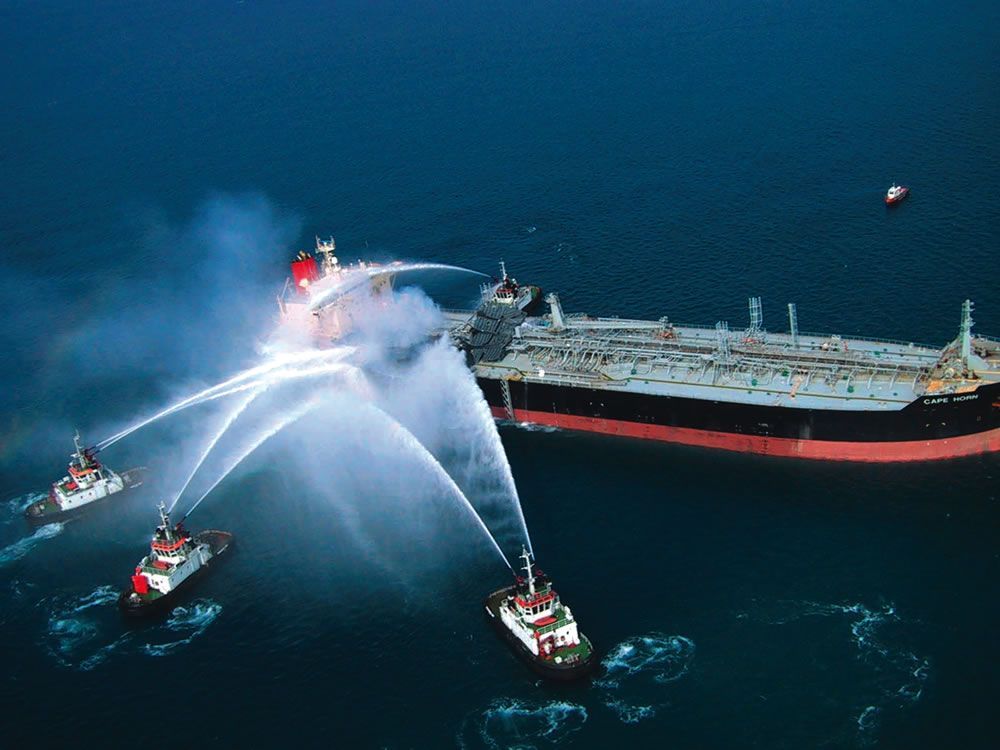
Salvage is not just about recovery—it is about restoring safety, usability, and long-term stability to the environment, ensuring waterways and properties remain functional, secure, and ready for continued use.
BENEFITS 1
Insert content
BENEFITS 2
Insert content
BENEFITS 3
Insert content
FAQ's
Got Questions? We’ve Got Answers.
What is marine salvage and when is it needed?
Marine salvage involves recovering damaged, grounded, or submerged vessels that cannot be handled through standard removal methods. It is required when a vessel poses safety risks, blocks waterways, or has sustained damage that requires controlled recovery to ensure safe handling and environmental protection.
How are sunken vessels safely recovered?
Sunken vessels are stabilized first to prevent shifting or collapse. Controlled lifting methods are then used to gradually raise the vessel while minimizing environmental impact. Each step is carefully monitored to ensure safe extraction and proper handling throughout the entire recovery process.
Can salvage operations be performed in shallow water?
Yes, salvage can be completed in shallow or restricted areas using specialized equipment and techniques. Each operation is planned to address access limitations while ensuring safe recovery without causing additional damage to the surrounding environment or nearby structures.
What happens to a vessel after salvage is completed?
After recovery, the vessel may be transported for disposal, repair, or further evaluation depending on its condition. Each step is handled with care to ensure safe transport and compliance with environmental and regulatory requirements for proper handling and final processing.
How quickly can emergency salvage services respond?
Emergency salvage services are designed to respond rapidly, especially in situations involving storm damage or environmental risks. Quick response helps prevent further deterioration, stabilize the vessel, and reduce the impact on surrounding waterways and properties during urgent recovery operations.
Are environmental protections included during salvage?
Yes, environmental protection is a critical part of salvage operations. Measures are implemented to contain fuel leaks, manage hazardous materials, and minimize disruption to marine ecosystems, ensuring the recovery process is completed responsibly and in accordance with environmental standards.
Who performs salvage operations at Deadrise Boat Salvage in Manahawkin, New Jersey?
At Deadrise Boat Salvage in Manahawkin, New Jersey, salvage operations are managed directly with experienced oversight. This ensures consistent communication, careful planning, and a hands-on approach that maintains control and reliability throughout every stage of the marine salvage process.
Why choose Deadrise Boat Salvage in Manahawkin, New Jersey for salvage services?
Choosing Deadrise Boat Salvage in Manahawkin, New Jersey means relying on over 20 years of experience in marine recovery. Each salvage project is handled with precision, ensuring safe extraction, environmental responsibility, and dependable results tailored to complex vessel recovery situations.