Abandoned Boat Abatement in Manahawkin, New Jersey
OR GIVE US A CALL
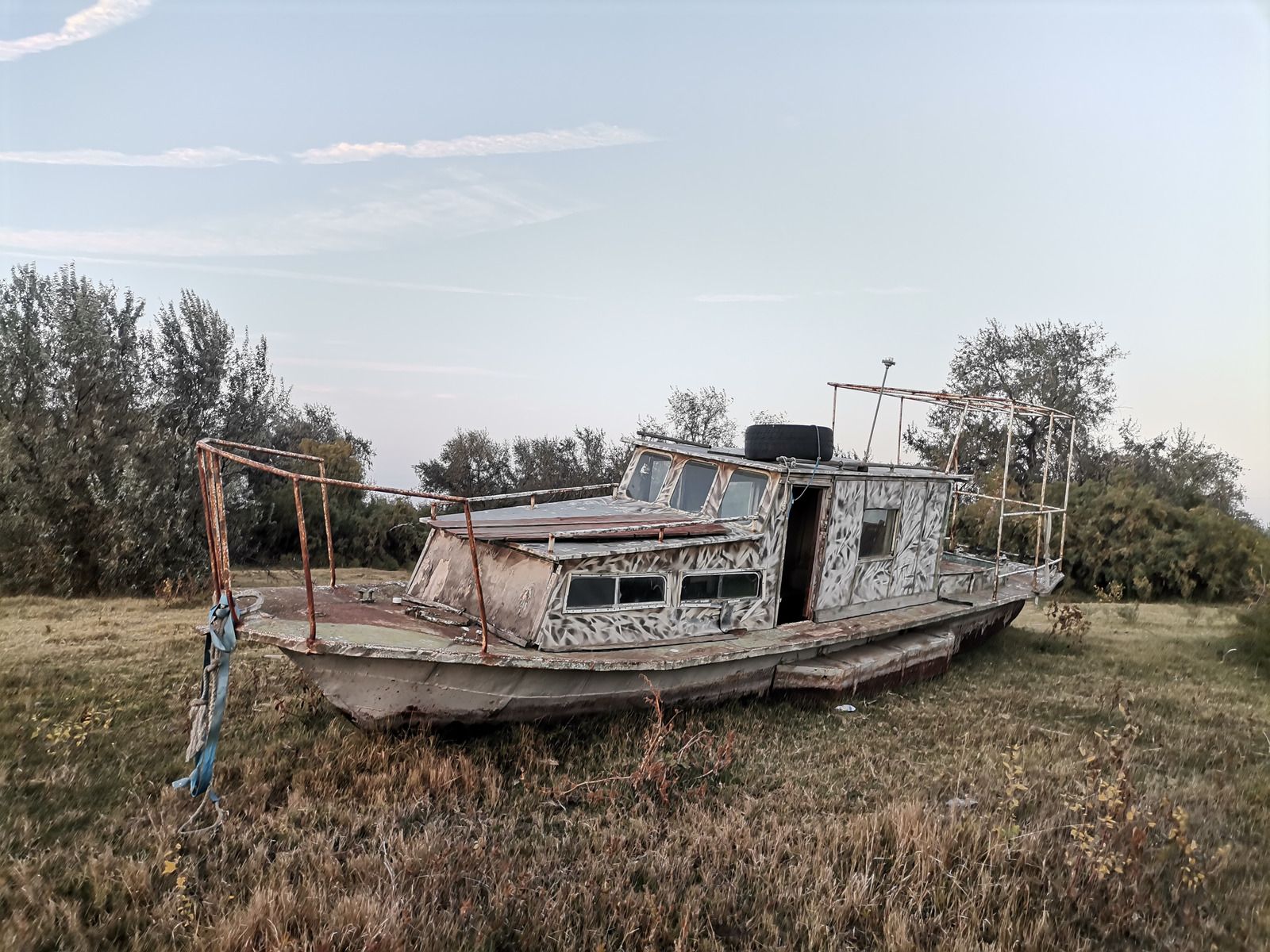
Abandoned Vessel Abatement for Compliance and Hazard Reduction
Abandoned boats don’t simply sit idle—they deteriorate, leak, and create escalating risks that impact both safety and the environment. At Deadrise Boat Salvage, abandoned boat abatement is handled as a structured process designed to eliminate hazards while restoring control to affected spaces. Whether vessels are left in marinas, waterways, or private properties, each situation requires a calculated approach that considers structural condition, location, and environmental impact. We focus on identifying risks early, stabilizing compromised vessels, and removing them efficiently to prevent further damage or regulatory complications.
Serving Manahawkin, New Jersey , with coverage across Stafford Township, Barnegat, Tuckerton, and Little Egg Harbor. Across Ocean County, abandoned vessels are often exposed to tidal shifts, saltwater corrosion, and storm-related damage that accelerate deterioration. These local conditions demand an abatement process that adapts to both coastal and inland environments. Whether vessels are located in shallow bays, residential docks, or commercial marinas, each project is executed with attention to regional factors that influence safe and effective removal.
With over 20
years of experience, we combine technical expertise with practical execution. Each abatement project is structured to manage unstable vessels, hazardous materials, and site conditions while minimizing disruption. From initial assessment to final clearance, every step is handled with discipline and clarity, ensuring reliable results that restore safety, compliance, and usability. Start the process today and turn a neglected vessel into a resolved problem with a plan built for precision and control.
Benefits of Abandoned Boat Abatement
Elimination of Environmental Hazards from Neglected Vessels
Abandoned boats often leak fuel, oil, and other hazardous materials into surrounding environments. Removing these vessels prevents contamination, protects ecosystems, and ensures that waterways and land areas remain safe from long-term environmental damage caused by deteriorating and neglected structures.
Restoration of Safe Navigation and Waterway Access
Unattended vessels can obstruct navigation routes and create dangerous conditions for other boats. Abatement clears these obstructions, restoring safe passage and improving accessibility for both recreational and commercial use within affected waterways and marina environments.
Reduction of Legal and Regulatory Risks
Abandoned boats often violate local regulations and environmental standards. Proper abatement ensures compliance, helping property owners and marina operators avoid fines or legal complications while ensuring that all removal processes meet established requirements for safety and environmental responsibility.
Prevention of Structural Damage to Surrounding Infrastructure
Deteriorating vessels can damage docks, seawalls, and nearby structures as they shift or collapse. Removing these boats prevents further structural impact, protecting surrounding infrastructure and reducing the risk of costly repairs or ongoing maintenance issues.
Improved Property Value and Visual Appearance
Abandoned vessels can significantly impact the appearance and usability of a property. Removing them restores a clean, organized environment, improving visual appeal and allowing the space to be used more effectively without obstructions or hazards.
Long-Term Risk Mitigation and Site Stability
Addressing abandoned vessels early prevents ongoing deterioration that could lead to more complex removal challenges. Abatement ensures that risks are eliminated at the source, maintaining site stability and preventing future complications related to structural decay or environmental exposure.
Abandoned Boat Abatement Services
Identification and Assessment of Abandoned Vessels
We begin by evaluating the condition, location, and risks associated with each abandoned vessel. This assessment ensures the safest removal strategy is selected while addressing environmental concerns, structural instability, and access limitations that may affect the abatement process.
Stabilization of Unstable or Deteriorating Boats
Before removal, vessels are stabilized to prevent shifting, collapse, or further deterioration. This step ensures safe handling and allows for controlled extraction, reducing risks to surrounding areas and maintaining stability throughout the entire abatement operation.
Removal from Waterways and Marina Environments
We perform removal of abandoned boats located in waterways, docks, and marina settings. Each operation is carefully planned to avoid disruption while ensuring vessels are safely extracted and surrounding structures remain protected during the process.
Land-Based Abandoned Boat Removal
We handle abatement of boats left on private properties, yards, and storage areas. Using specialized equipment, vessels are safely lifted and removed, restoring usable space and eliminating long-standing obstructions that impact property functionality and overall condition.
Hazardous Material Containment and Handling
During abatement, all hazardous materials are identified and managed safely. This includes fuel, oil, and other substances that could pose environmental risks, ensuring proper containment and handling throughout the removal and disposal process.
Final Site Clearance and Restoration
After removal, we complete site cleanup to eliminate debris and restore the area. This ensures that the space is safe, clean, and fully usable, free from hazards or remnants of the abandoned vessel that could cause future issues.
Abatement Services That Restore Order and Eliminate Risk
Abandoned boat abatement is more than removal—it is a process that restores safety, ensures compliance, and protects the long-term integrity of waterways and properties. At Deadrise Boat Salvage in Manahawkin, New Jersey , we approach each project with precision, ensuring that every vessel is handled responsibly from initial assessment through final clearance. With over 20 years of experience, we manage complex abatement scenarios by combining technical knowledge with a structured process that adapts to real conditions. Each step is executed with clarity, minimizing disruption while addressing both environmental and structural concerns.
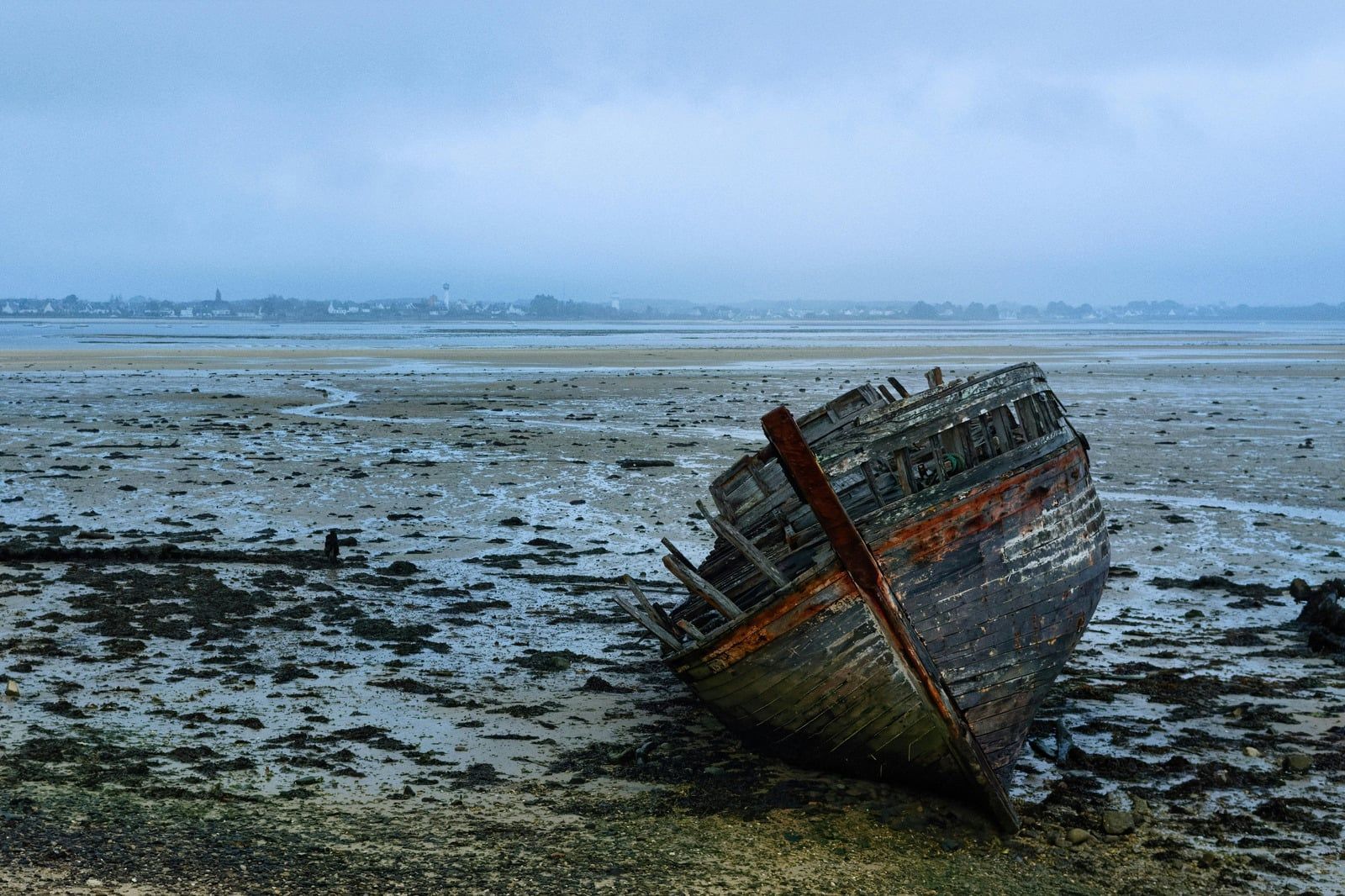
Proper abatement eliminates hazards, prevents future deterioration, and restores usability to affected spaces. When handled correctly, the process ensures that properties and waterways remain safe, compliant, and ready for continued use without ongoing risks or complications.
BENEFITS 1
Insert content
BENEFITS 2
Insert content
BENEFITS 3
Insert content
FAQ's
Got Questions? We’ve Got Answers.
What qualifies a boat as abandoned?
A boat is considered abandoned when it is left unattended without proper maintenance, ownership responsibility, or intention of recovery. These vessels often deteriorate over time, creating safety and environmental risks that require structured abatement and removal to address effectively.
How are abandoned boats safely removed?
Abandoned boats are stabilized first to prevent movement or collapse. Controlled removal techniques are then used to safely extract the vessel while minimizing environmental impact and protecting surrounding structures throughout the process.
Can abandoned boats be removed from marinas?
Yes, abandoned vessels in marinas can be removed using structured planning and careful handling. Each removal is executed to avoid disruption while ensuring safe extraction and restoration of the marina environment.
What happens to an abandoned boat after removal?
After removal, the vessel is transported for proper disposal or further processing. Each step is handled responsibly to ensure environmental protection and compliance with disposal regulations.
Are environmental precautions taken during abatement?
Yes, environmental protection is a priority. Hazardous materials are contained, and removal methods are designed to minimize impact on surrounding ecosystems, ensuring responsible handling throughout the process.
How long does the abatement process take?
The timeline varies based on vessel condition, size, and location. Some projects are completed quickly, while others require additional time due to complexity, but each is handled efficiently and safely.
Who manages abatement at Deadrise Boat Salvage in Manahawkin, New Jersey?
At Deadrise Boat Salvage in Manahawkin, New Jersey, abatement projects are handled directly with experienced oversight, ensuring clear communication and a structured approach that maintains safety and reliability throughout every stage of the process.
Why choose Deadrise Boat Salvage in Manahawkin, New Jersey for abatement services?
Choosing Deadrise Boat Salvage in Manahawkin, New Jersey means relying on over 20 years of experience. Each project is handled with precision, ensuring safe removal, environmental responsibility, and dependable results tailored to complex abandoned vessel situations.