Emergency Hurricane & Storm Recovery in Manahawkin, New Jersey
OR GIVE US A CALL
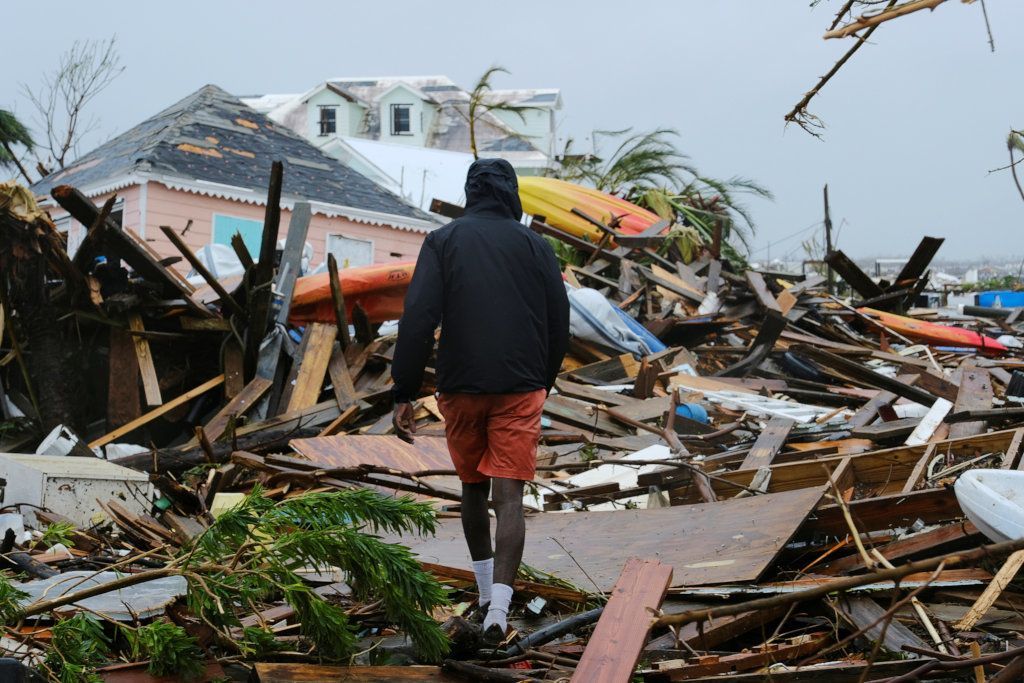
Immediate Stabilization, Vessel Recovery, and Post-Storm Restoration
Storm damage changes everything in a matter of hours. Vessels break loose, sink, collide, or become stranded in locations that create immediate safety and environmental risks. At Deadrise Boat Salvage, emergency hurricane and storm recovery is handled as a time-critical operation that requires fast decisions, controlled execution, and a clear recovery plan. We approach every situation with urgency while maintaining precision, ensuring vessels are stabilized, recovered, or removed without creating additional damage. From flooded hulls to displaced boats, every project begins with a rapid assessment to determine the safest path forward under unstable conditions.
We serve Manahawkin, New Jersey , as well as the surrounding areas, including Stafford Township, Barnegat, Tuckerton, and Little Egg Harbor. Across Ocean County, hurricanes and coastal storms bring strong winds, rising tides, and shifting debris fields that create complex recovery challenges. Waterfront properties, marinas, and inland areas can all be affected differently, requiring an approach that adapts to local conditions. By understanding these regional impacts, we ensure recovery operations are executed efficiently while protecting surrounding structures and waterways.
With over 20 years of experience, we combine technical expertise with rapid-response execution. Each recovery is structured to manage unstable vessels, environmental risks, and site conditions while minimizing disruption. From initial stabilization to final removal or refloating, every step is handled with discipline, ensuring reliable outcomes even under pressure. Act now to secure your vessel and move forward with a recovery plan built for speed, safety, and control.
Our Emergency Hurricane & Storm Recovery Services
Emergency Vessel Stabilization and Securing
We stabilize vessels immediately after storm impact to prevent drifting, sinking, or further structural damage. This process ensures boats are secured safely, reducing risk and creating a controlled environment for recovery operations to proceed effectively under unstable and changing post-storm conditions.
Sunken and Partially Submerged Vessel Recovery
We recover vessels that have sunk or become partially submerged during storms using controlled lifting techniques. Each operation ensures safe extraction while preventing environmental damage, maintaining structural stability, and restoring access to affected waterways without creating additional hazards during the recovery process.
Vessel Patching and Refloating Operations
When possible, we patch damaged hulls and restore buoyancy to refloat vessels safely. This method allows for controlled recovery and easier transport while reducing the need for dismantling, improving efficiency and maintaining stability during storm-related vessel recovery operations in challenging conditions.
Debris and Wreckage Removal from Waterways
Storms often leave behind debris and broken vessel parts that create hazards in waterways. We remove wreckage using controlled extraction methods, ensuring all materials are cleared safely and waterways are restored to clean, navigable conditions for safe and uninterrupted use afterward.
Grounded and Displaced Vessel Recovery
We handle vessels pushed onto land, docks, or shallow areas due to storm impact. Each recovery is carefully planned to safely reposition or remove the boat while protecting surrounding structures and minimizing additional damage or disruption during the recovery process from beginning to completion.
Post-Storm Transport and Site Clearance
After recovery, we manage transport and complete site clearance to restore affected areas. This includes removing vessels and debris, ensuring the location is left clean, safe, and ready for use while eliminating hazards caused by storm-related damage and structural disruption.
Benefits of Emergency Hurricane & Storm Recovery
Rapid Response to Time-Sensitive Situations
Storm damage requires immediate attention to prevent further loss or risk. A rapid response ensures vessels are stabilized quickly, reducing additional damage while allowing recovery operations to begin before conditions worsen or hazards increase across the affected area and surrounding properties.
Controlled Stabilization of Unstable Vessels
After storms, vessels may be partially submerged, grounded, or structurally compromised. Controlled stabilization ensures these boats are secured safely before recovery, preventing shifting, collapse, or further damage during extraction or refloating while maintaining safety and control throughout the entire process.
Prevention of Environmental Contamination
Storm-damaged vessels can release fuel and hazardous materials into surrounding waters. Proper recovery includes containment and safe handling, preventing environmental damage while protecting ecosystems and ensuring compliance with environmental standards throughout every stage of the recovery and removal process.
Restoration of Access and Operational Functionality
Displaced or damaged vessels can block docks, marinas, and waterways. Recovery clears these obstructions efficiently, restoring access and allowing properties and marine operations to return to normal as quickly as possible following severe weather events and related disruptions.
Adaptability to Changing and Unpredictable Conditions
Storm recovery requires flexibility due to shifting conditions, debris, and water levels. A structured approach ensures each operation adapts in real time while maintaining control, ensuring safe and efficient recovery even in unstable and unpredictable environments across varying site conditions.
Reduction of Long-Term Damage and Repair Costs
Prompt recovery limits further deterioration of vessels and surrounding structures. Addressing issues early reduces overall damage, preventing more complex and costly repairs while ensuring recovery efforts remain manageable, effective, and focused on restoring stability to affected areas.
Storm Recovery That Restores Safety After Severe Conditions
Storm recovery requires more than speed—it demands precision under pressure. At Deadrise Boat Salvage in Manahawkin, New Jersey , we approach every emergency with a clear plan, ensuring vessels are stabilized, recovered, and removed safely. With over 20 years of experience, we manage complex storm damage scenarios by combining technical knowledge with structured execution that adapts to real conditions. Each step is handled with control, minimizing further damage while restoring order to affected areas. From immediate response to final clearance, our process ensures reliability even in challenging environments.
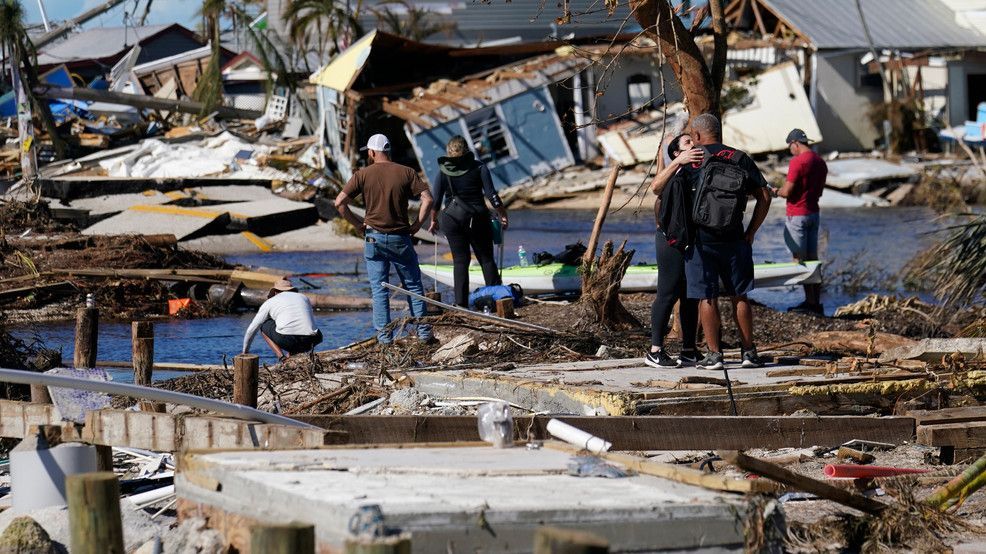
Proper storm recovery not only resolves immediate hazards but also prevents long-term complications, ensuring waterways and properties are safe, functional, and ready for continued use after severe weather events.
BENEFITS 1
Insert content
BENEFITS 2
Insert content
BENEFITS 3
Insert content
FAQ's
Got Questions? We’ve Got Answers.
What happens immediately after a storm damages a vessel?
The first step is stabilizing the vessel to prevent further movement or damage. This includes securing the boat and assessing structural condition, ensuring recovery can proceed safely and efficiently without increasing risk to surrounding areas or nearby structures.
Can partially submerged boats be recovered quickly?
Yes, partially submerged vessels can often be recovered efficiently once stabilized. Controlled lifting techniques are used to safely extract the boat while minimizing environmental impact and preventing further structural damage during the recovery process in challenging or unstable conditions.
What is vessel patching and refloating?
Vessel patching involves sealing damaged areas to restore buoyancy and prevent water intrusion. Once stabilized, the boat can be refloated and removed safely, reducing the need for dismantling while improving efficiency during recovery operations in difficult post-storm conditions.
How do you handle hazardous materials after a storm?
Fuel and hazardous materials are carefully contained and managed during recovery to prevent contamination. This process ensures environmental protection while maintaining compliance with safety standards and reducing the risk of pollution affecting surrounding waterways, land areas, and nearby structures.
Can boats be recovered from shallow or restricted areas?
Yes, specialized techniques allow recovery from shallow waters or restricted spaces. Each operation is planned carefully to ensure safe extraction without damaging surrounding structures, docks, or vessels while maintaining control and minimizing risk throughout the recovery process.
How long does storm recovery typically take?
Recovery timelines vary depending on damage severity, vessel condition, and site access. Some projects are completed quickly, while others require additional time due to complexity, but each is handled efficiently to restore safety and usability as soon as possible.
Who manages emergency recovery at Deadrise Boat Salvage in Manahawkin, New Jersey?
At Deadrise Boat Salvage in Manahawkin, New Jersey, emergency recovery operations are handled directly with experienced oversight. This ensures clear communication, rapid response, and a structured approach that maintains safety, efficiency, and reliability throughout every stage of the recovery process.
Why choose Deadrise Boat Salvage in Manahawkin, New Jersey for storm recovery?
Choosing Deadrise Boat Salvage in Manahawkin, New Jersey means relying on over 20 years of experience handling complex storm recovery. Each project is executed with precision, ensuring safe vessel handling, environmental protection, and dependable results even under the most challenging post-storm conditions.